

Eugene Atget

The life and the intention of Eugene Atget are fundamentally unknown to us.
A few documented facts and a handful of recollections and legends provide a scant outline of the man:
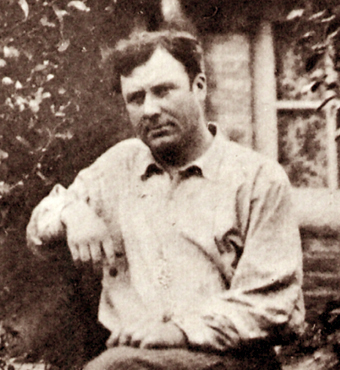
He was born in Libourne, near Bordeaux, in 1857, and worked as a sailor during his youth; from the sea he turned to the stage, with no more than minor success; at forty he quit acting, and after a tentative experiment with painting Atget became a photographer, and began his true life's work.

Until his death thirty years later he worked quietly at his calling. To a casual observer he might have seemed a typical commercial photographer of the day. He was not progressive, but worked patiently with techniques that were obsolescent when he adopted them, and very nearly anachronistic by the time of his death. He was little given to experiment in the conventional sense, and less to theorizing. He founded no movement and attracted no circle. He did however make photographs which for purity and intensity of vision have not been bettered.

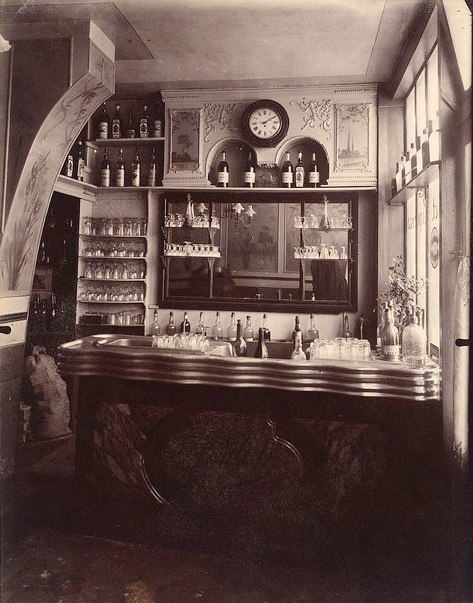
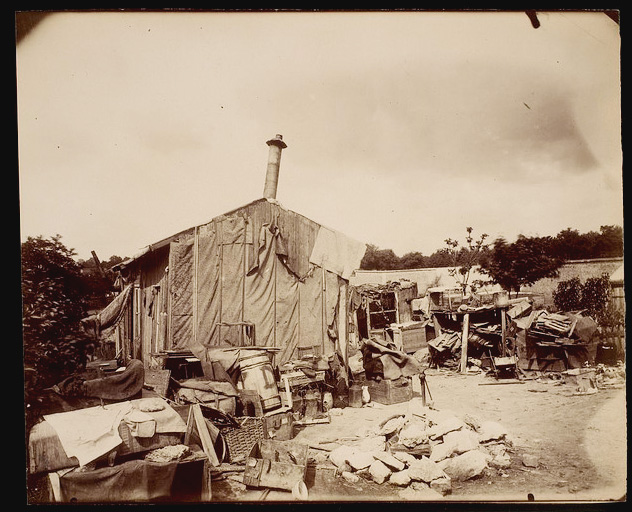
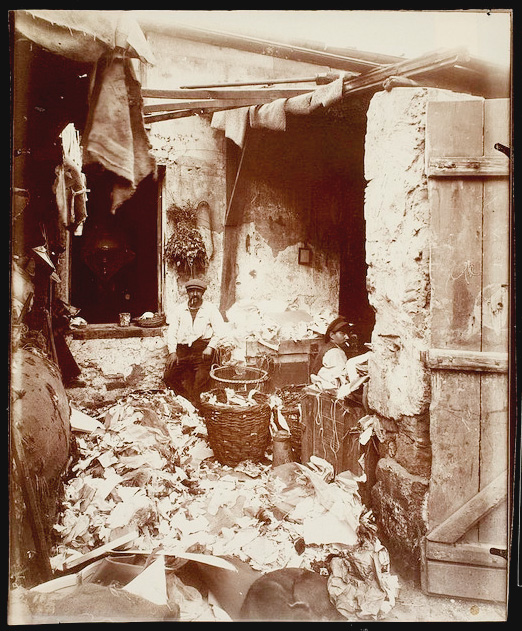
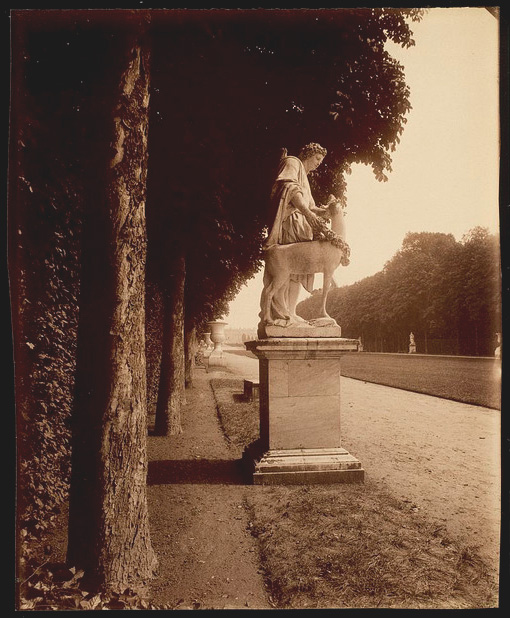
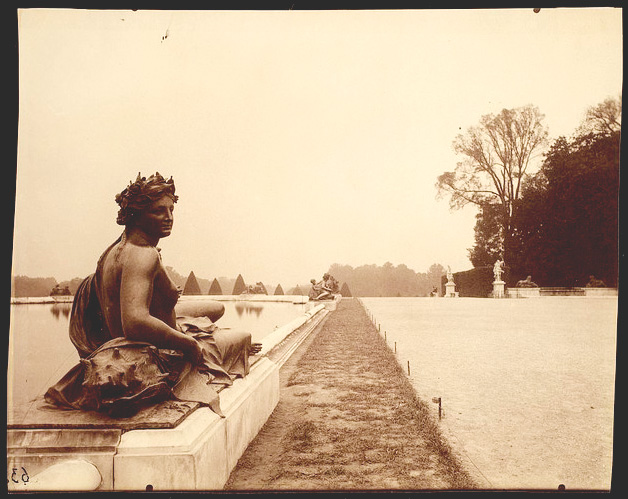
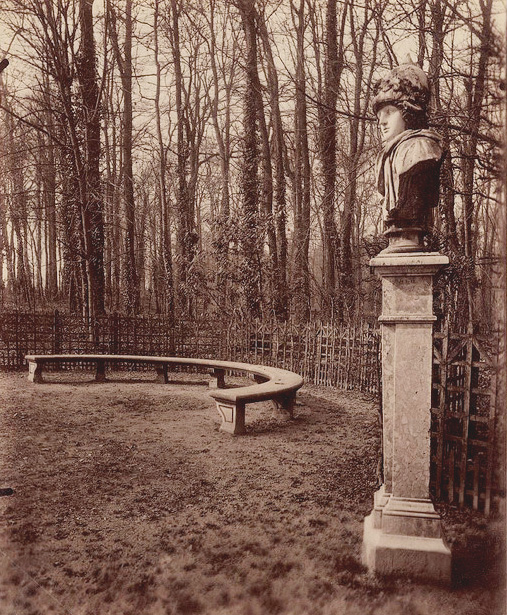
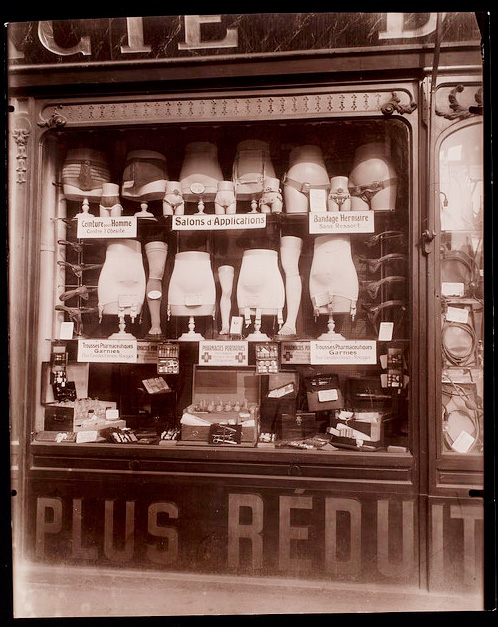
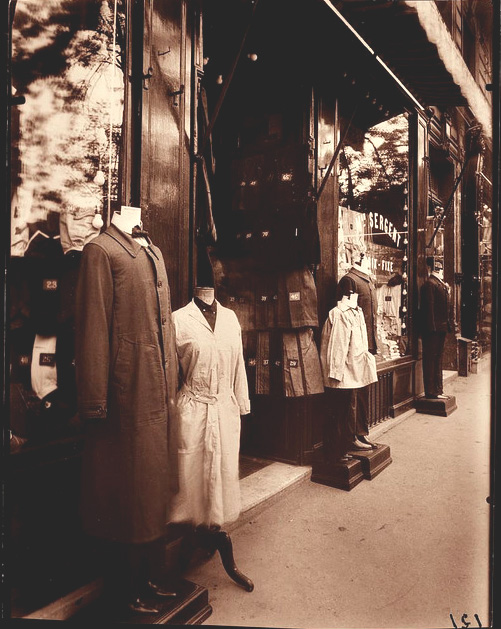
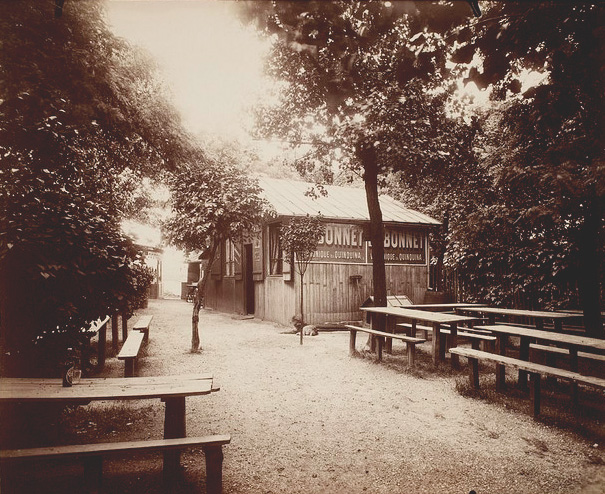
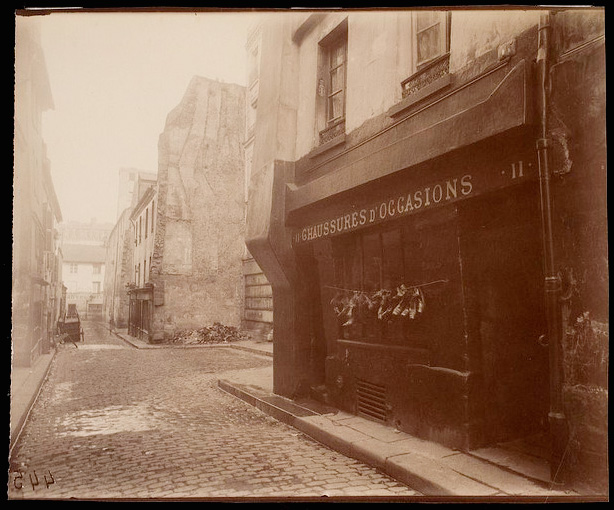
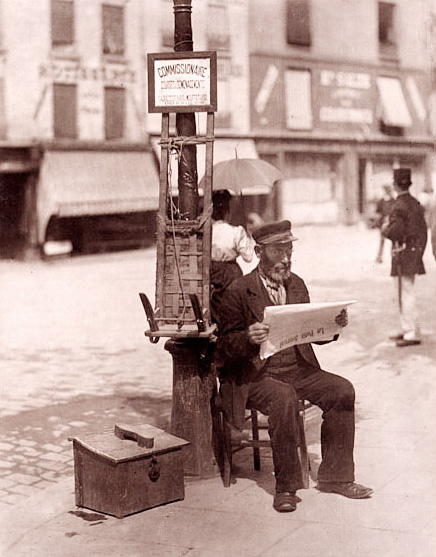
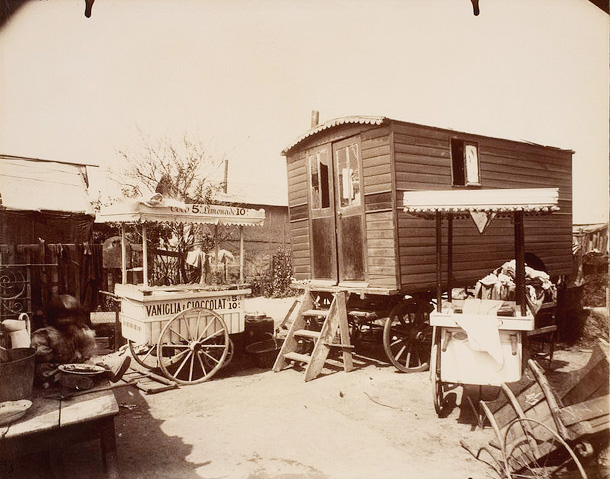
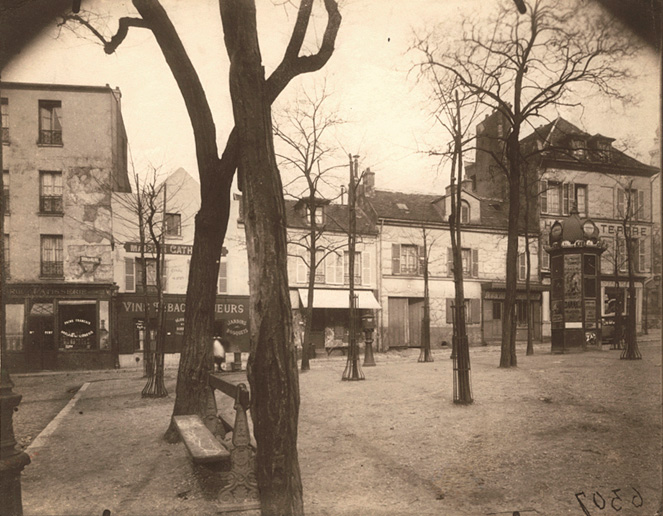
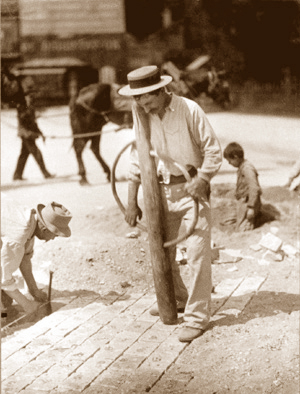
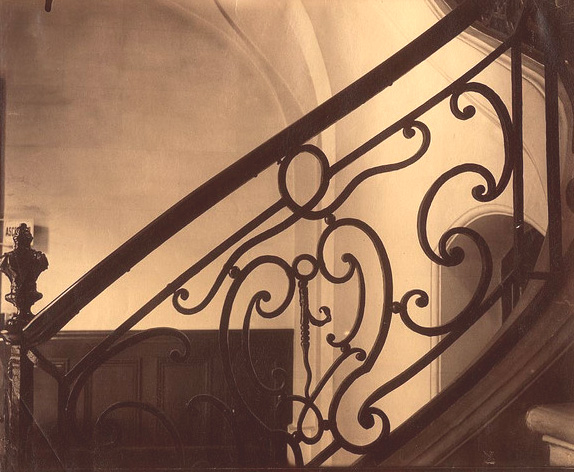
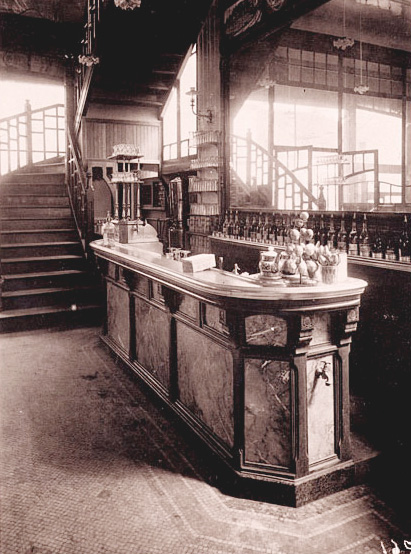
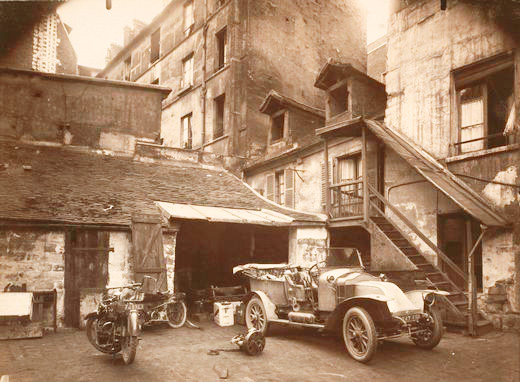
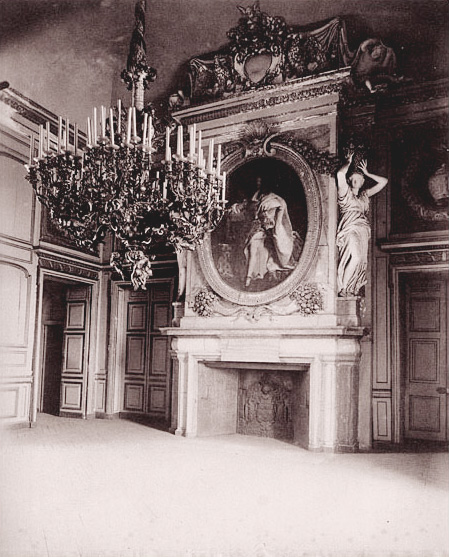
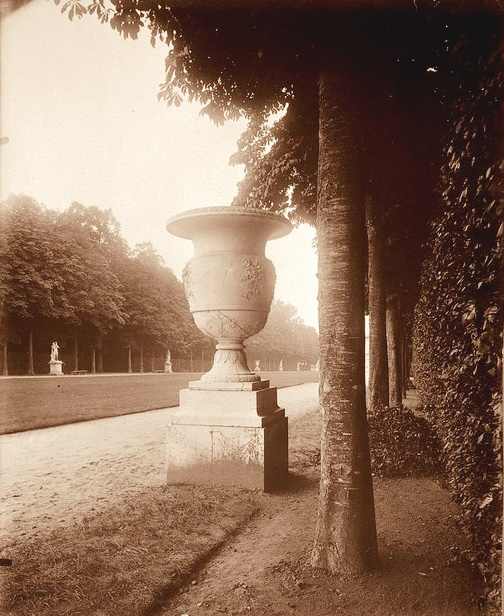
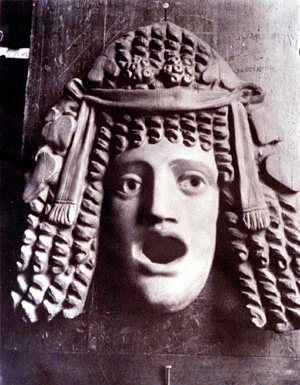
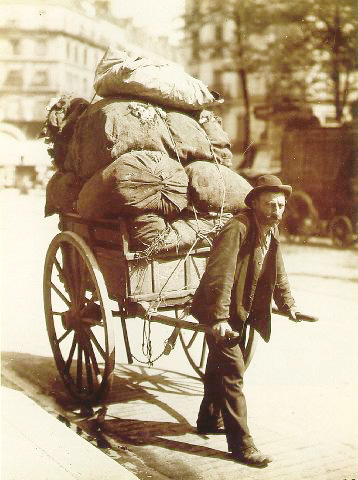
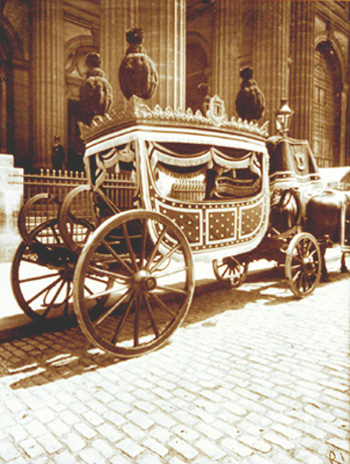
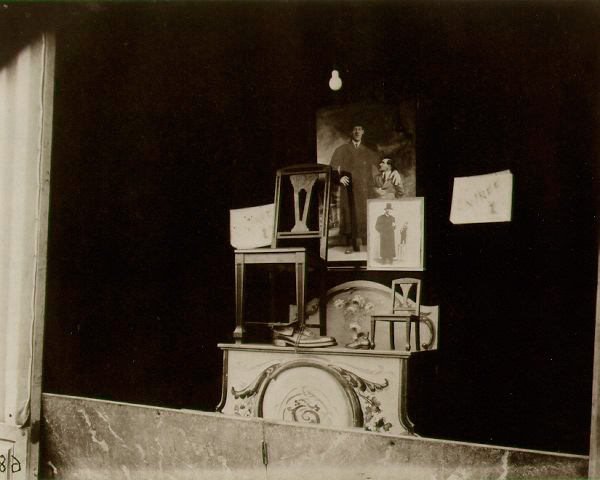
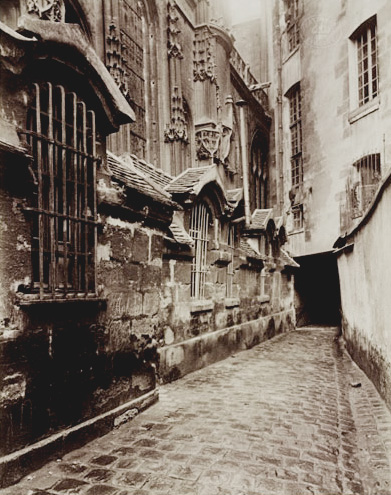
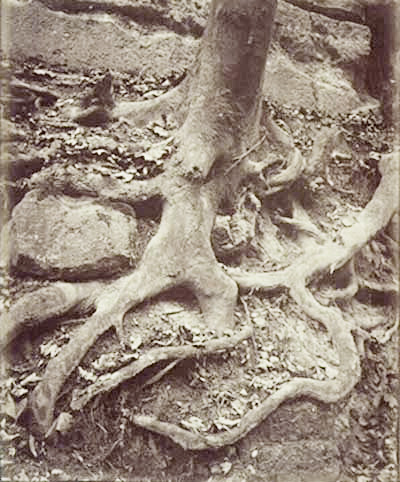
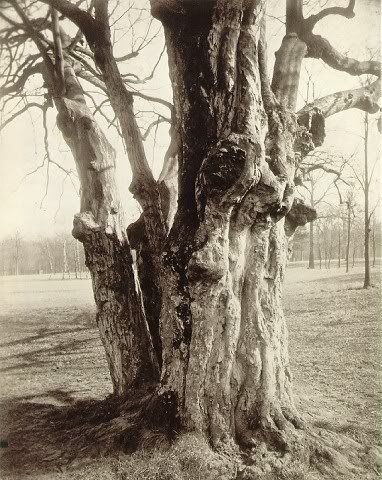
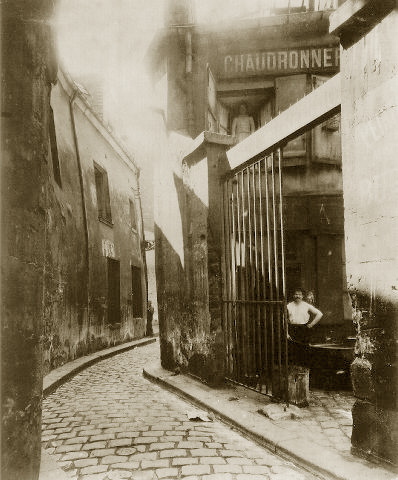
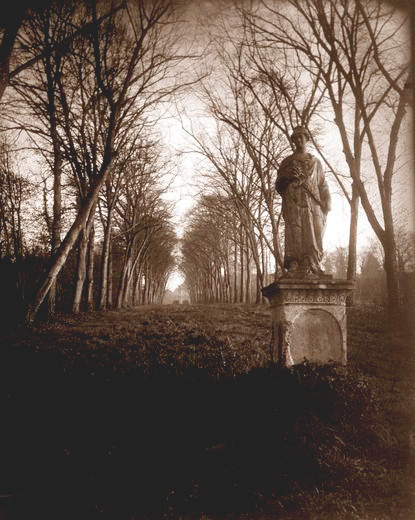
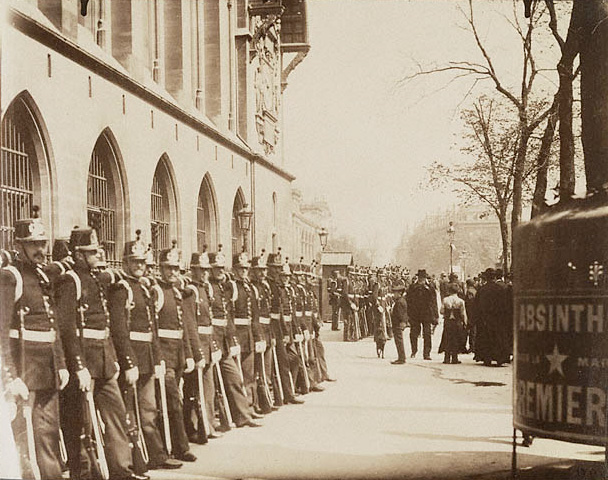
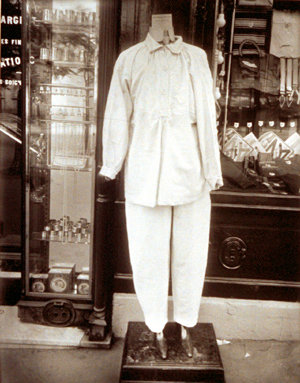
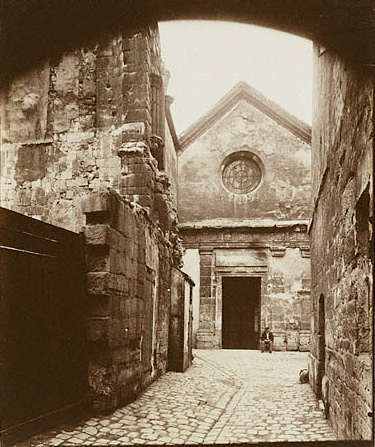
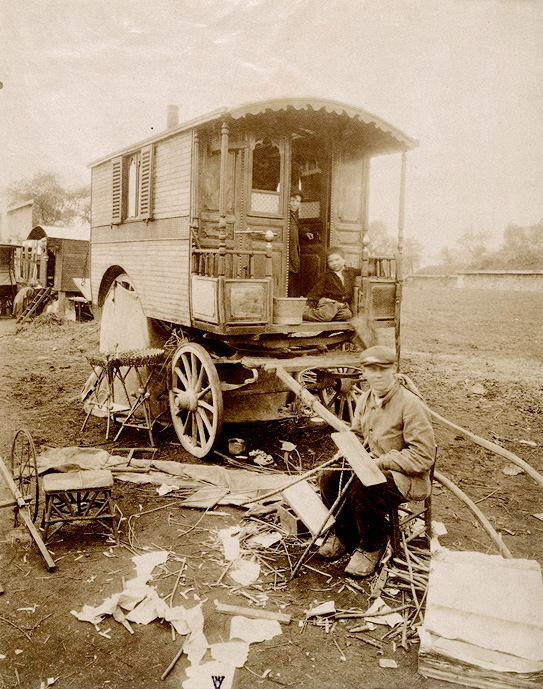
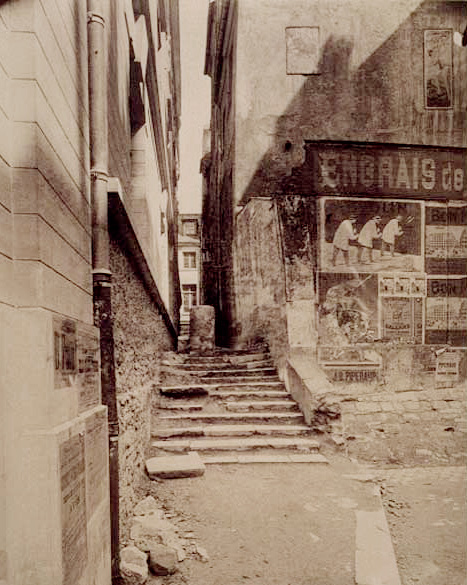
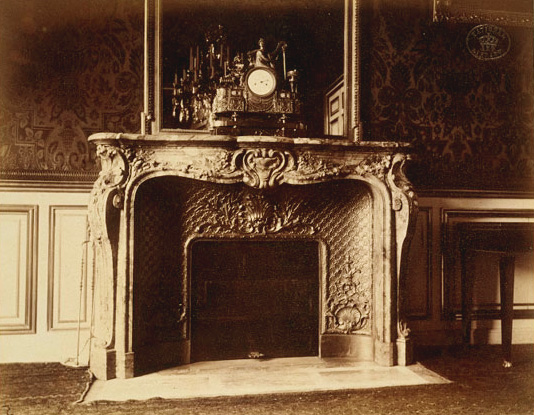
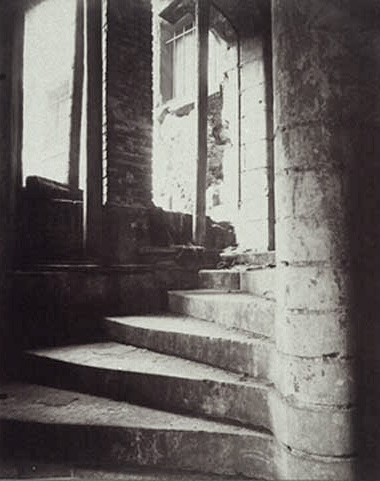
Atget's work is unique on two levels. He was the maker of a great visual catalogue of the fruits of French culture, as it survived in and near Paris in the first quarter of this century. He was in addition a photographer of such authority and originality that his work remains a bench mark against which much of the most sophisticated contemporary photography measures itself. Other photographers had been concerned with describing specific facts (documentation), or with exploiting their indivisual sensibilities (self-expression). Atget enconpassed and transcended both approaches when he set himself the task of understanding and interpreting in visual terms a complex, ancient, and living tradition.

The pictures that he made in the service of this concept are seductively and deceptively simple, wholly poised, reticent, dense with experience, mysterious, and true.
from "Looking at Photographs" by John Szarkowski


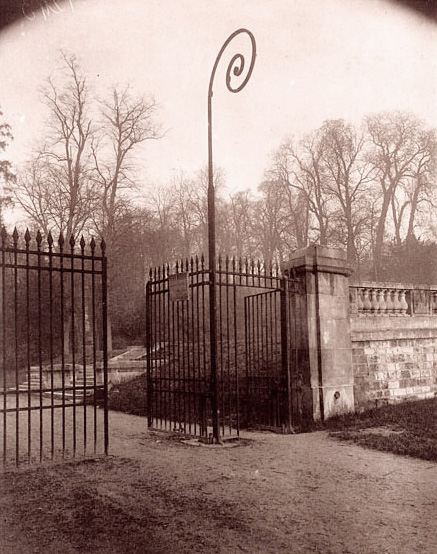

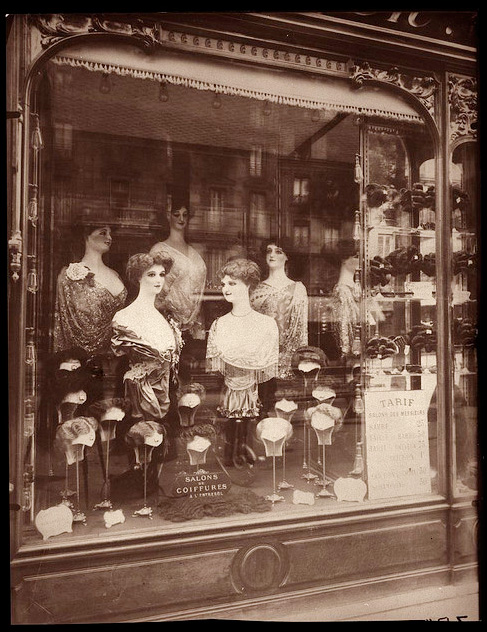


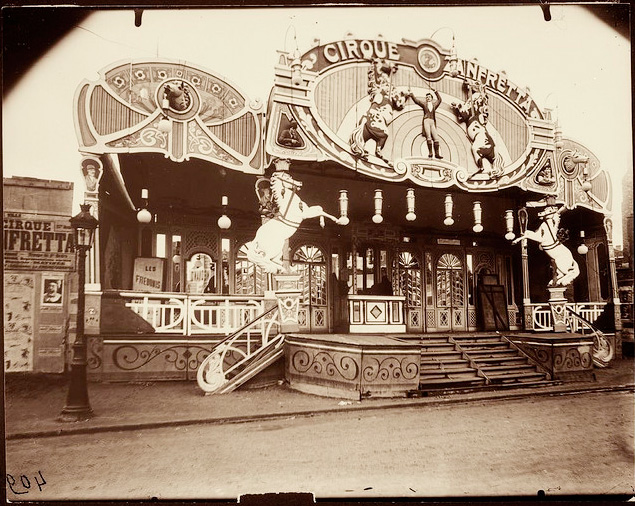


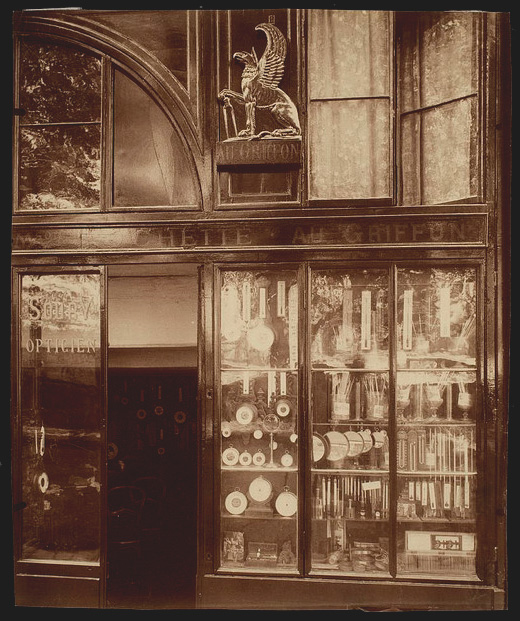




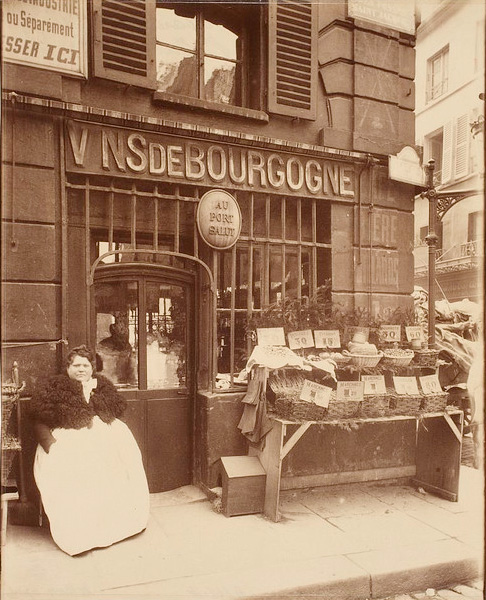

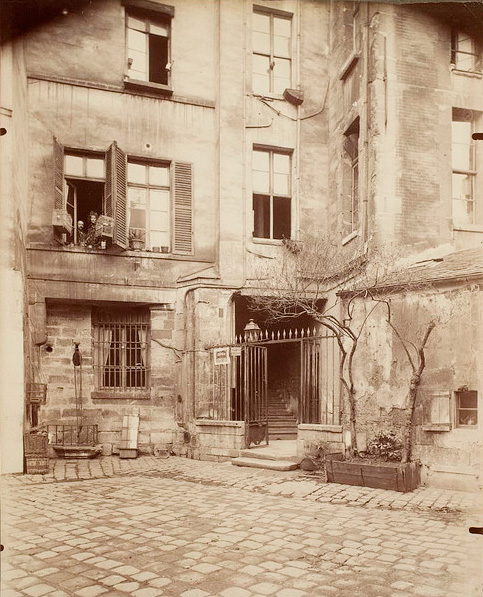
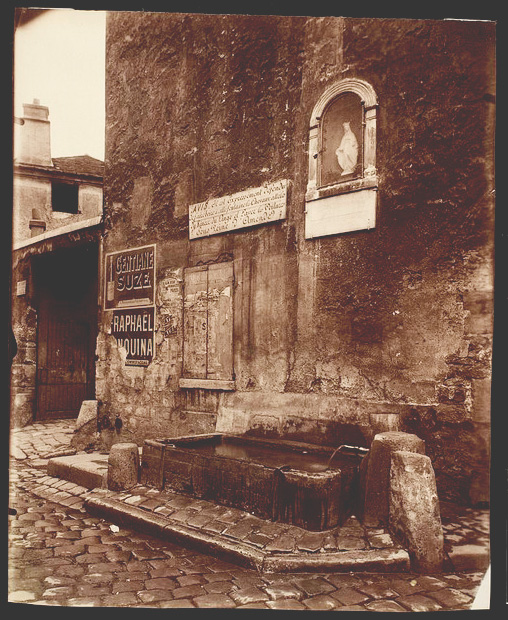
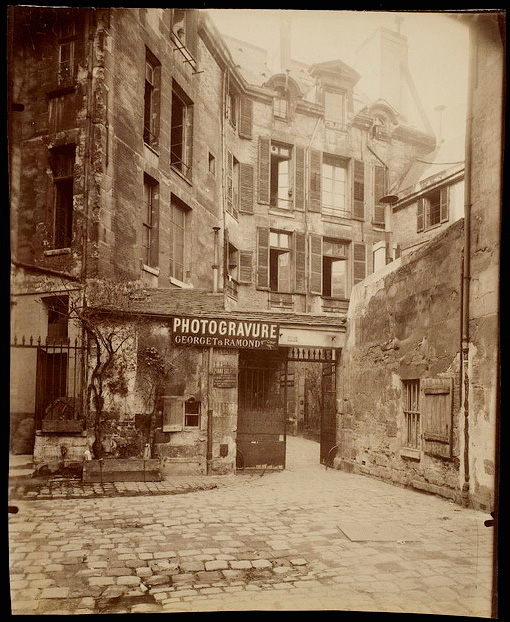









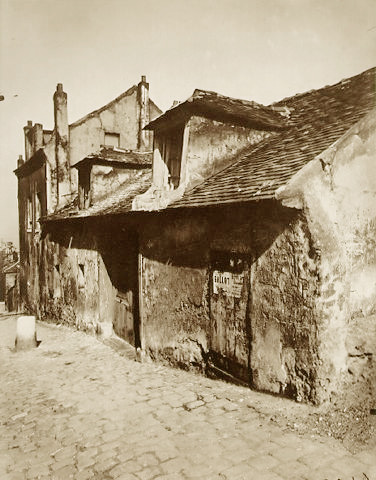
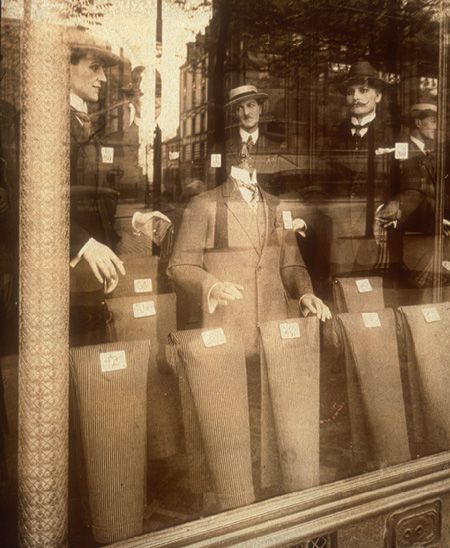


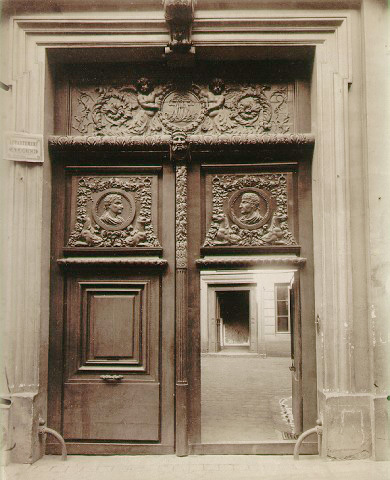
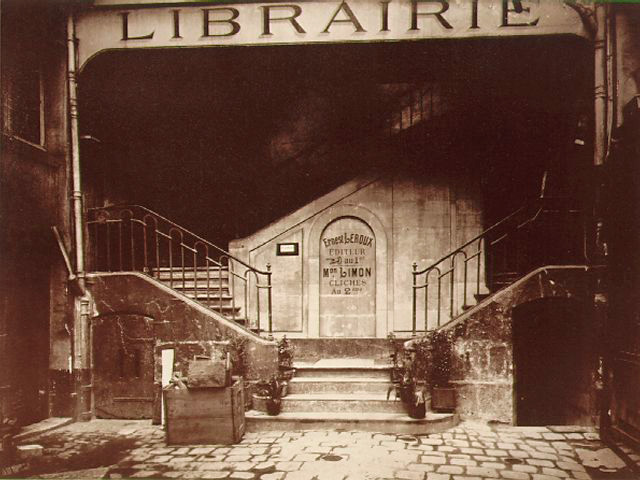








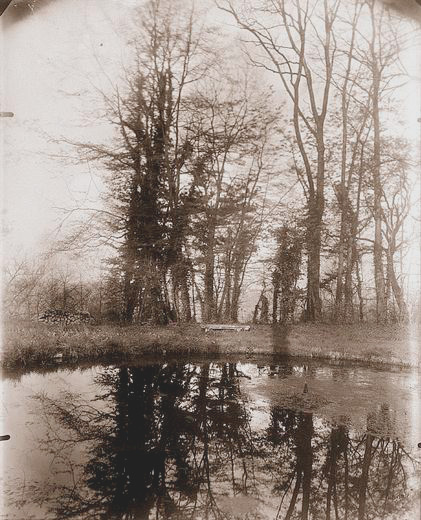


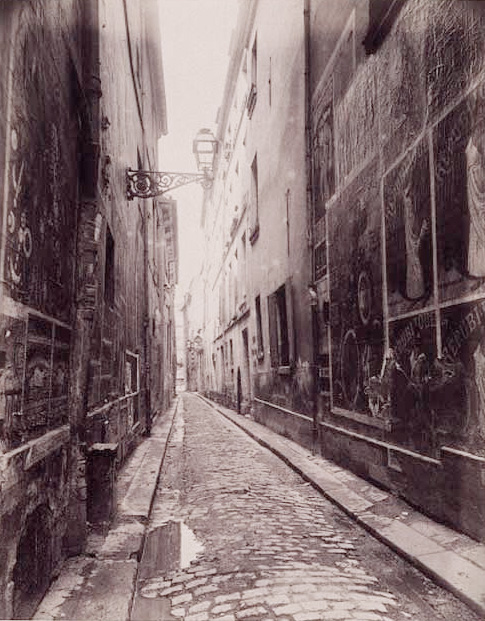


 Atget
Atget
Included in the book are insightful commentaries for each of the 100 tritone photographs and five duotones, plus a great introduction by John Szarkowski, former director of the Department of Photography at the MOMA.
 Paris Changing: Revisiting Eugene Atget's Paris
Christopher Rauschenberg spent a year in the late '90s revisiting and rephotographing many of Atget's same locations. Paris Changing features seventy-four pairs of images beautifully reproduced in duotone.

 Atget the Pioneer
A portfolio of more than 160 photographs shedding new light on the often neglected features of Eugene Atget's work, those innovative features of his photography that were to transform the photographic medium for a modern generation.
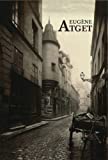
 Eugene Atget: Paris 1898-1924
Captures he photographs of 'old Paris' taken by French photographer Egene Atget between 1898 and 1924.
- A good photograph is like a good hound dog, dumb, but eloquent.

